
The complete guide
A Practical Buying Guide to a Golf Rangefinder with Slope
When guessing distance stops being useful
Judging distance by eye can leave you unsure about the shot ahead. A flag may look close while a change in ground level makes the view harder to read. A golf distance measuring device gives you another source of information to consider alongside the lie, weather and your own experience.
The important part is choosing a device whose details match your needs. A product name alone will not tell you its measuring limits, how the controls work or whether it suits a particular event.
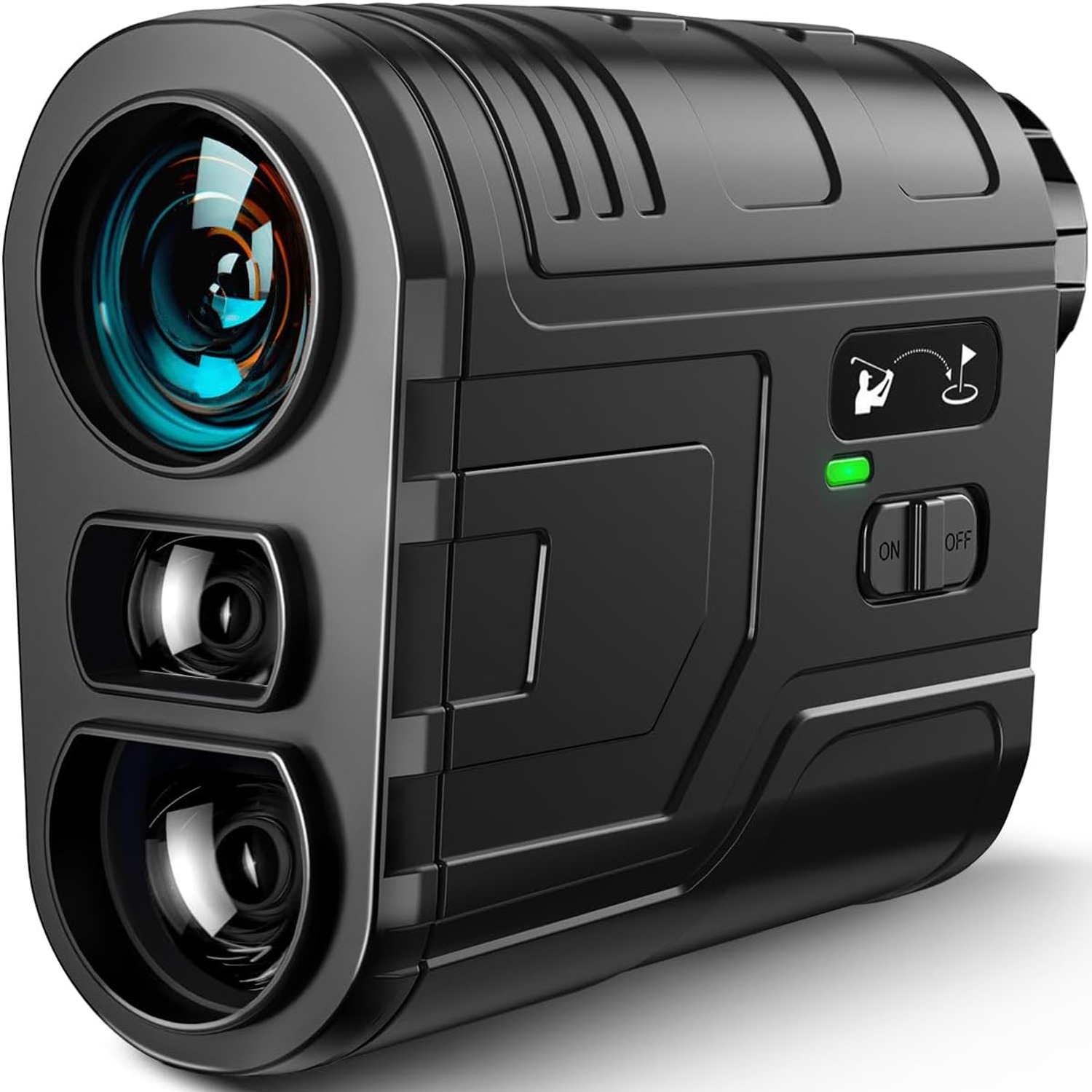
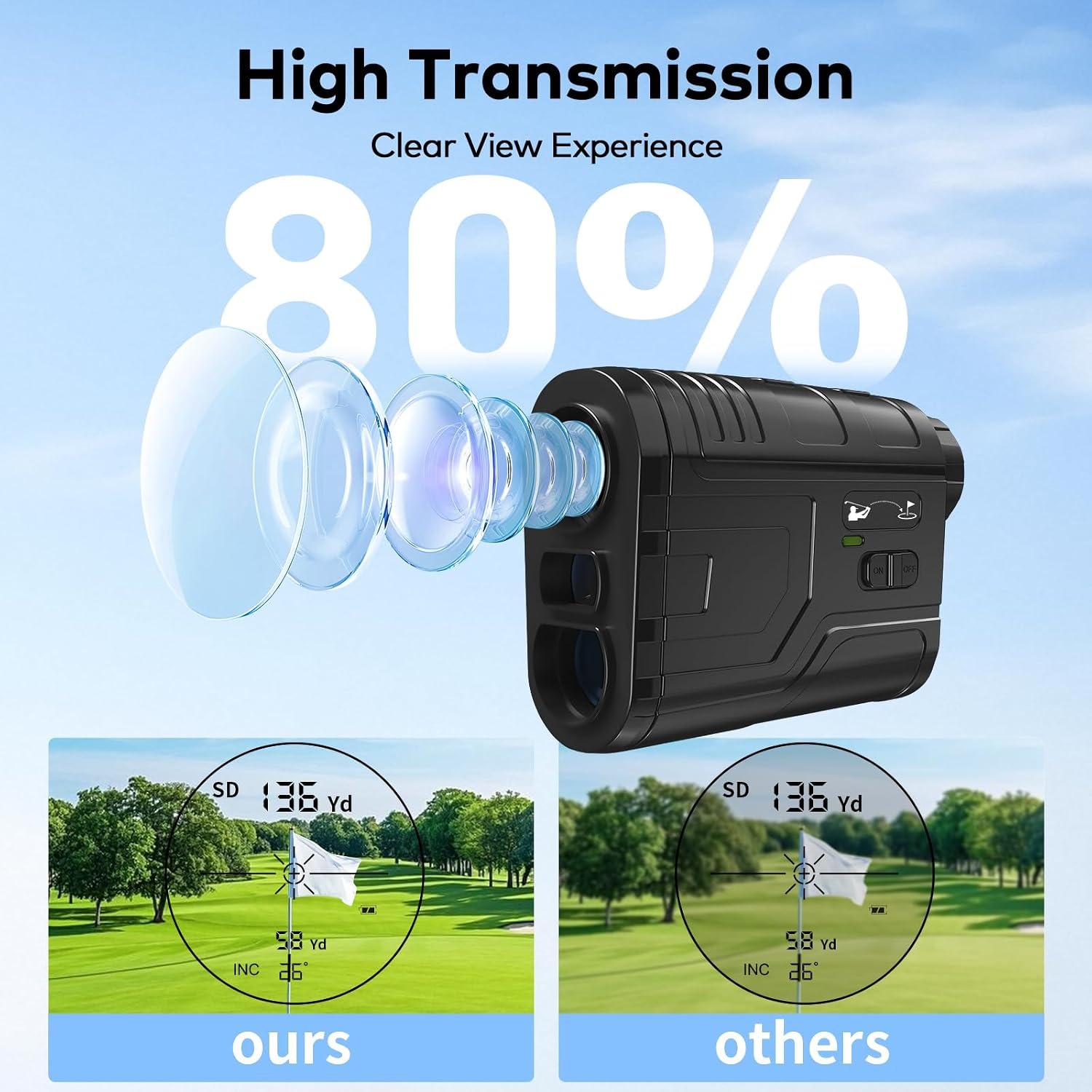
This Golf Rangefinder with Slope has a listed weight of 120 g and a compact plastic body. The maker's description also contains gaps and a conflicting magnification figure. This guide explains what is listed, what needs checking and how to make a sensible choice without filling those gaps with guesses.
What a laser rangefinder does
A laser golf rangefinder is designed to measure distance towards a selected target. In general, you look through the viewer, aim and use the controls to take a reading. The exact steps depend on the device, so the supplied instructions should be your starting point.
A reading is useful only when you understand what you have measured. A background object near a flag can make target selection worth checking carefully. Take time to learn the display and practise aiming before expecting the process to feel familiar.
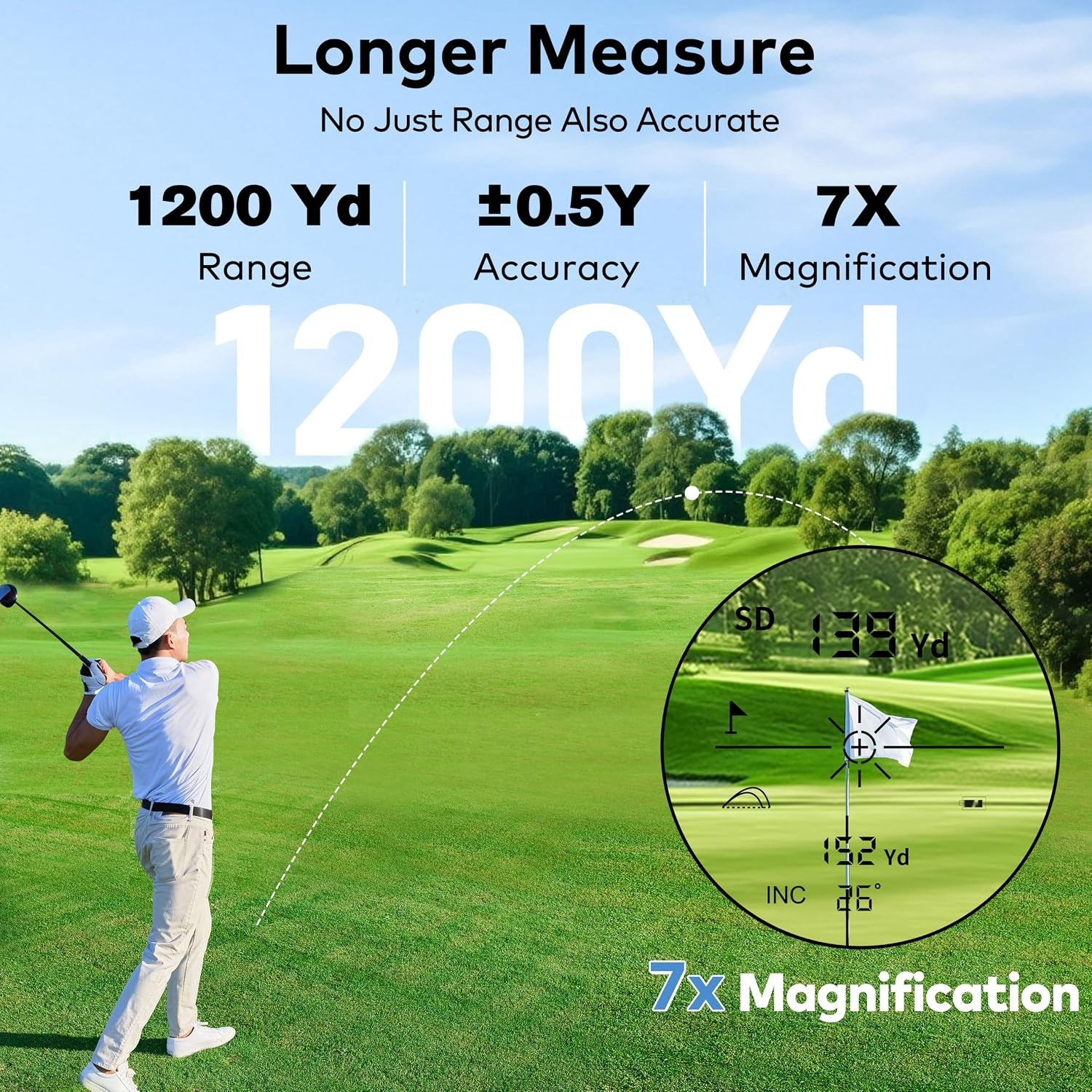
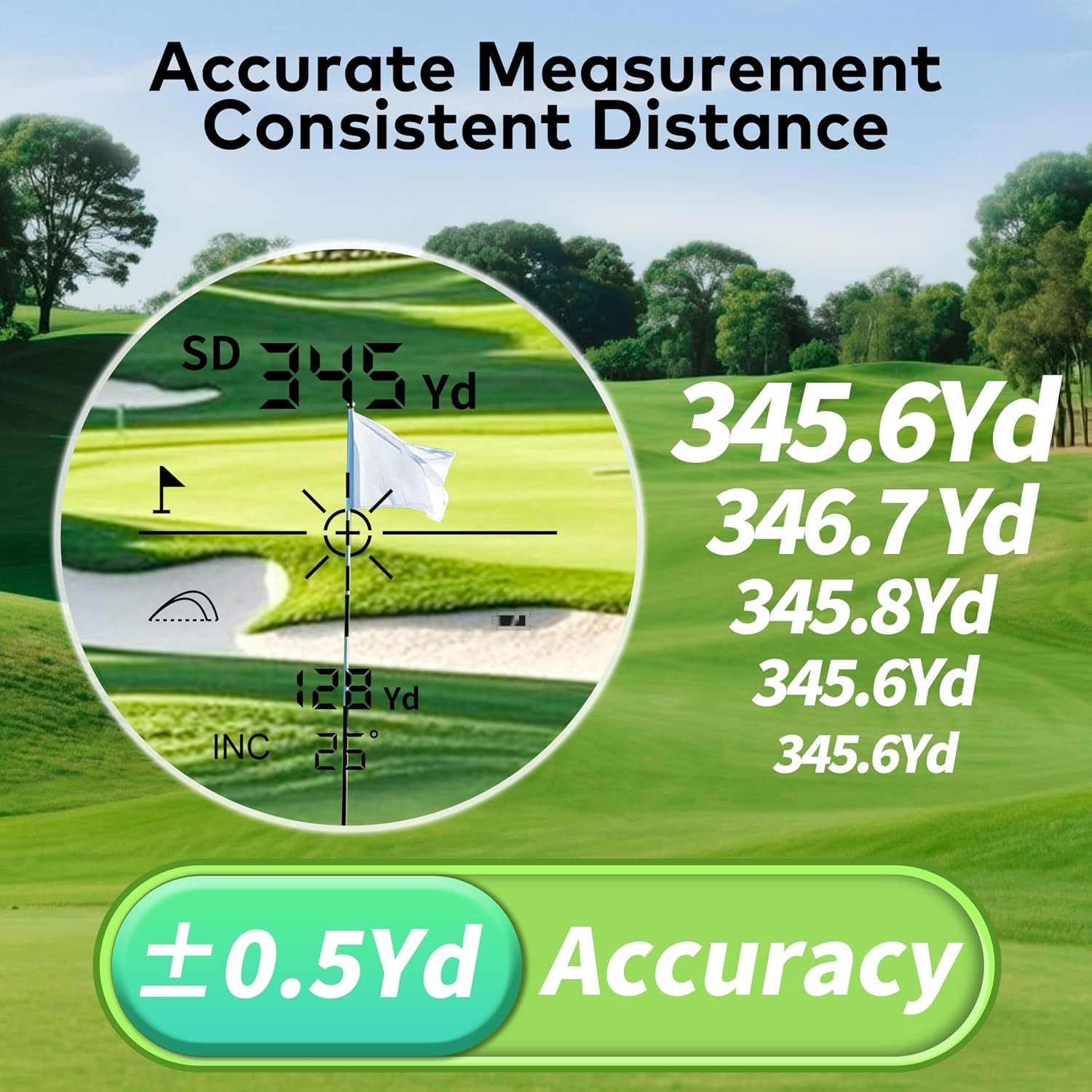
The maker does not state the minimum or maximum measuring distance. It also gives no accuracy tolerance. Those are important gaps if you are comparing models for a particular course or type of practice. Ask for confirmed figures rather than assuming that all laser devices have similar limits.
Understanding slope and flag lock
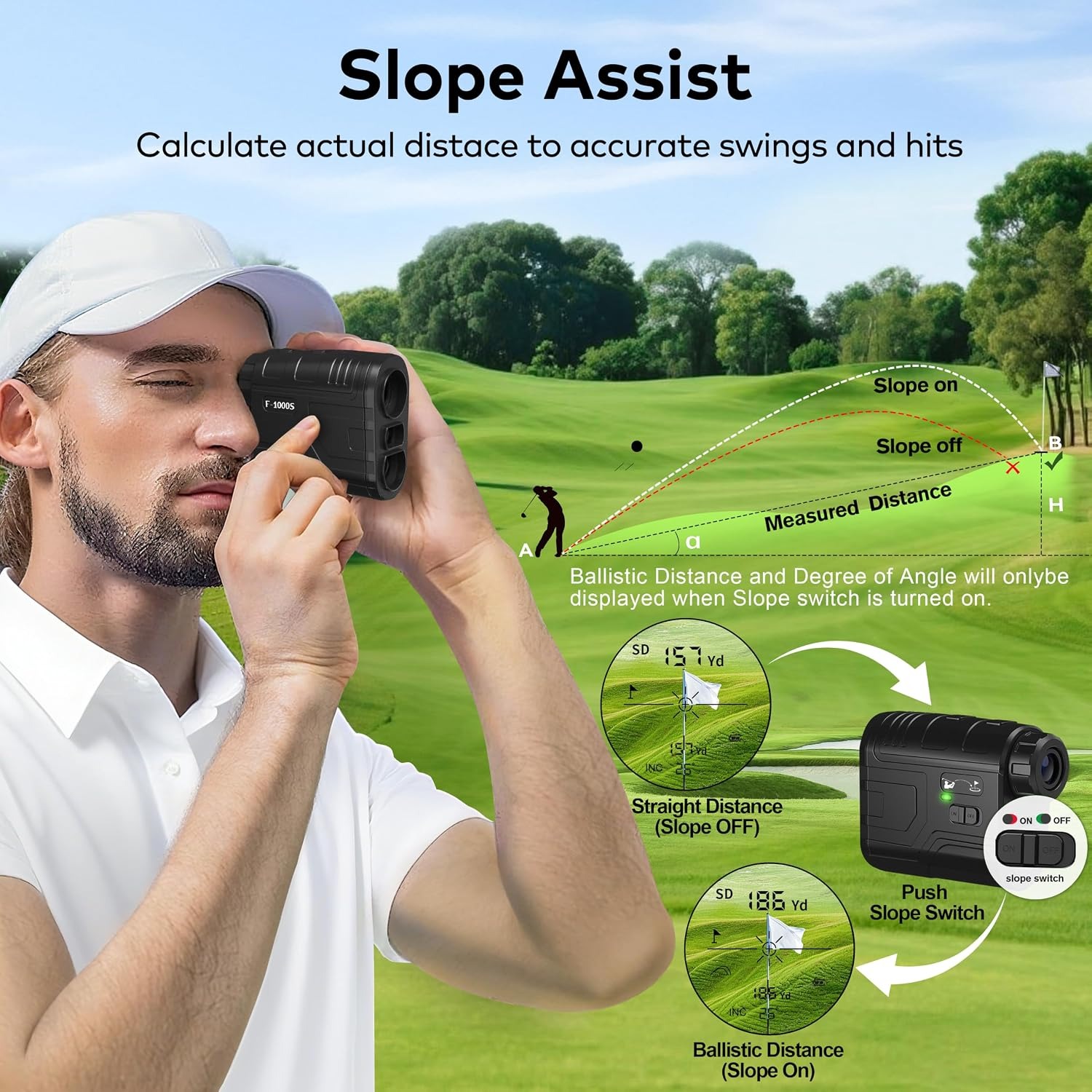
Slope functions generally account for changes in elevation when presenting distance information. That can be relevant when your target sits above or below you. The name of this product includes slope, but the maker does not explain its calculations or how the results appear.
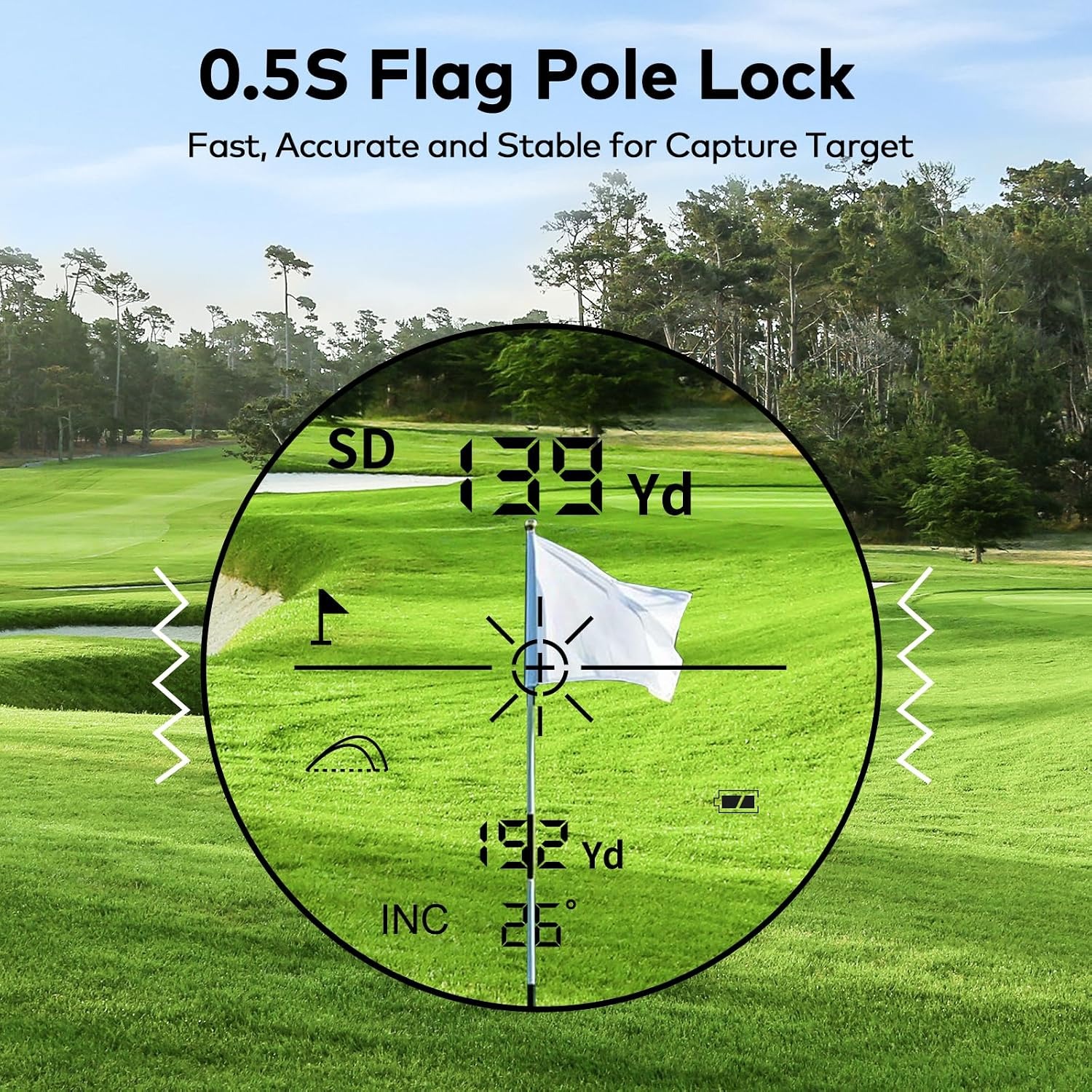
The heading also identifies a rangefinder with flag lock. However, there is no description of its target-confirmation process. Vibration, sound and display signals are not confirmed, so none should be assumed.
A slope-off setting is another point to check. If you intend to use a device in organised play, ask about the available settings and consult the event rules. This product does not establish competition suitability. Buying for casual use and buying for a specific competition can involve different checks.
Size and weight you can compare
The listed item weight is 120 g. If you are looking for a lightweight golf rangefinder, that gives you a clear figure to compare with other options. Think about the rest of your equipment too, especially if you carry your bag for a full round.
The product details give dimensions of 7 cm long, 9 cm wide and 3 cm high. Measure the pocket or compartment where you plan to keep it. A device that fits on paper may still need room for easy access and protection from nearby items.
Do not assume that an existing fitted case will work. The shape, opening and internal padding all affect fit. A case is not confirmed as included with this product, so factor that into your plans if protected storage matters to you.
The magnification detail to resolve
Magnification deserves a careful check here. The structured product details state 6x, while the maker headline states 7x. These figures conflict, and the maker does not establish which one applies to the supplied device.
It would be misleading to choose the larger figure or quietly ignore the difference. Treat golf rangefinder magnification as unconfirmed until you receive clarification.
When comparing optical devices, magnification is only part of the decision. You also need to be comfortable looking through the viewer and finding your intended target. The maker does not provide eye-relief measurements, focus-adjustment details or a field of view. If you have specific viewing needs, ask about those before buying rather than relying on a magnification number alone.
Battery and charging questions
The product details list a lithium-ion battery and say that batteries are included. The maker also describes the device as rechargeable. That makes it a possible option for someone seeking a golf rangefinder with battery included, but it does not settle every charging question.
There is no stated battery capacity, runtime or charging time. The charging connection is also unspecified. You should not assume that a cable or mains adaptor you already own will be suitable.
Before ordering, confirm what charging equipment is required and what comes in the box. The supplied contents list names the rangefinder, while the battery is separately listed as included. Other accessories are not confirmed. Once it arrives, follow the device instructions rather than applying charging advice from a different model.
Materials and weather exposure
The product details describe a black plastic body. They do not name the plastic type, grip material or any internal construction. That is enough to describe the housing, but not enough to claim a particular level of impact resistance or durability.
An IPX4 protection rating is also listed. This relates to splashing water, not immersion. Avoid treating that rating as a promise that the device can remain wet in a bag or withstand being dropped into water.
For normal care, keep exposure sensible and dry the body before storing it. If poor weather is common where you play, think about how you will protect the device between uses. Check any further handling limits in the supplied instructions, since the brief does not include them.
Who should consider this option?
This compact golf rangefinder may interest golfers who want a small device and have room to confirm the missing technical details before purchase. Its stated dimensions and weight are useful for people comparing what they will carry.
A golfer buying their first rangefinder should pay special attention to the controls. The maker does not show how many steps are needed to take a reading, change settings or interpret slope information. A clear manual matters more than a long feature name.
Someone replacing a familiar device may have a more specific checklist. Perhaps you need a certain charging connection, a confirmed measuring range or a particular target signal. Do not assume this model matches your previous one. Compare each essential requirement separately and leave optional preferences until after those checks.
Choosing it as a gift
A golf rangefinder gift works best when you know what the recipient needs. Some golfers may welcome a portable device, while others may already have strong preferences about the viewer, controls or charging method.
Ask a practical question before choosing. Do they want a device for casual practice, or do they intend to use it at organised events? That answer can change which details need confirming.
The listed 120 g weight and black plastic body are straightforward facts you can share. Avoid presenting unconfirmed accessories or performance figures as part of the gift. Keep the order information and review the return terms so the recipient has a clear route forward if the device does not suit them.
First use and everyday care
When the device arrives, check the supplied contents against the order information. Read the instructions before charging or operating it. This is especially important because the maker does not provide charging specifications or a control guide.
Spend some time learning the display in a suitable setting. Practise selecting a target and understanding which information is shown. If a reading seems unexpected, consult the instructions rather than assuming you know what the device has measured.
Golf rangefinder care should be gentle. Use a clean lens cloth for viewing surfaces and avoid rough fabric or abrasive cleaners. Wipe the housing as needed, let it dry and store it away from excessive heat. Keep it separate from loose items that could rub against the optics.
Delivery, returns and a final check
Check the current estimate for your address, particularly if the purchase is for a gift or an upcoming round. Do not plan around an arrival date that has not been confirmed.
The supplied Irish returns information states a 14-day cancellation right for distance sales, counted from delivery. It also states that the customer pays return postage. Your rights under the Consumer Rights Act 2022 apply separately.
Before paying, resolve any detail that would change your decision. Magnification is the clearest conflict, but measuring range, accuracy and charging requirements are also worth checking. A short question before ordering is more useful than discovering later that an essential feature was only an assumption.
The short version
This Golf Rangefinder with Slope is listed at 120 g, with a black plastic body measuring 7 x 9 x 3 cm. An included lithium-ion battery and an IPX4 rating are stated.
Confirm magnification, measuring specifications, charging equipment and any required slope controls before you buy. If those details match your needs, you can make the decision on clear information rather than the product name alone.